1 min read
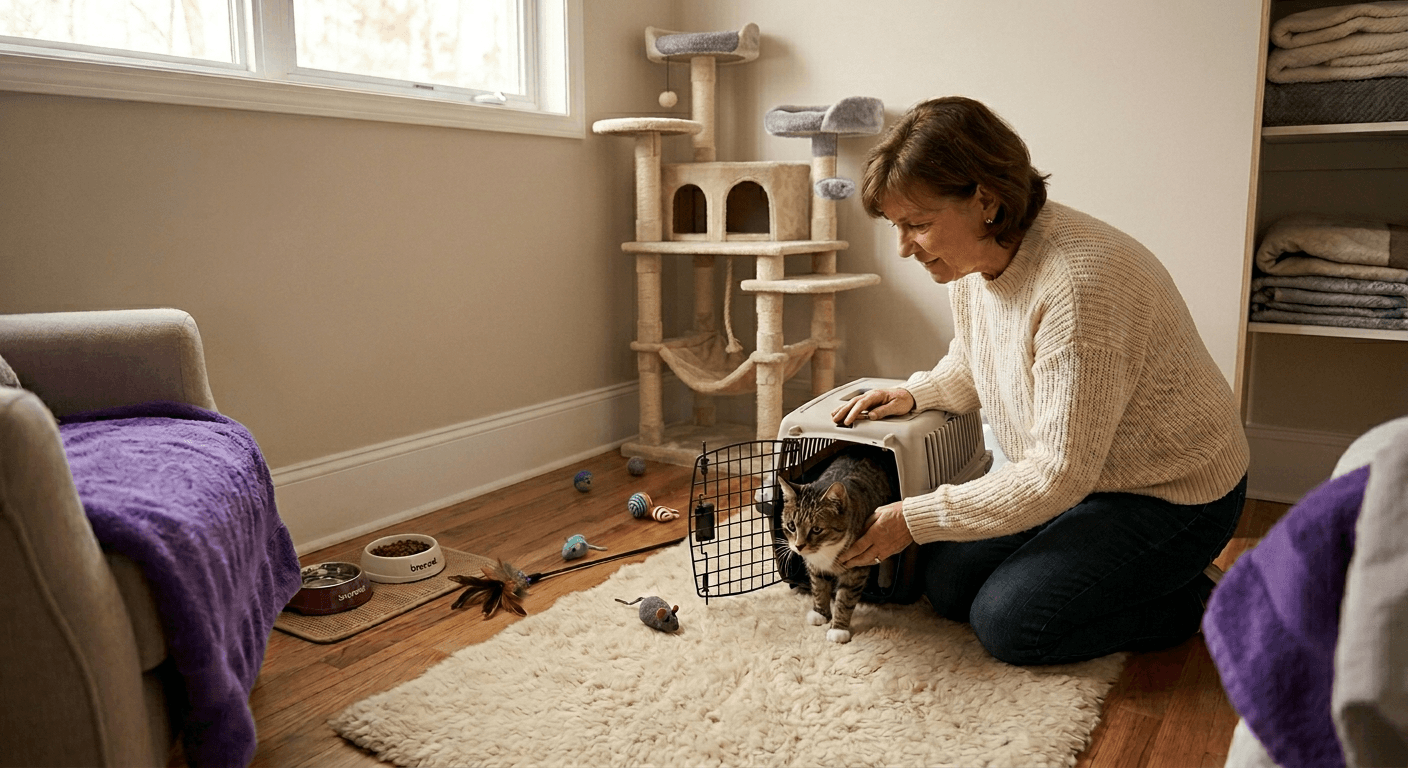
Provide a quiet room or corner with bed, litter tray, scratcher, water and food. Let the cat explore at their own pace without forcing contact. Secure windows, remove toxic plants and manage doors: the cat’s safety comes first for the whole placement.
Hiding, marking, vocalising or withdrawal are often normal at first. Watch appetite, litter use and interactions with people or other animals. These signals help the rescue refine the cat’s profile for a successful adoption.
Follow the rescue’s feeding advice and veterinary protocol. Note behaviour changes, medical needs or special requirements.
When the rescue uses Pawer, information about the cat, vet appointments and observation notes are centralised. You gain clarity and the team can respond faster to the cat’s needs.