Cat Foster Family: Best Practices Right from Arrival
4 min read
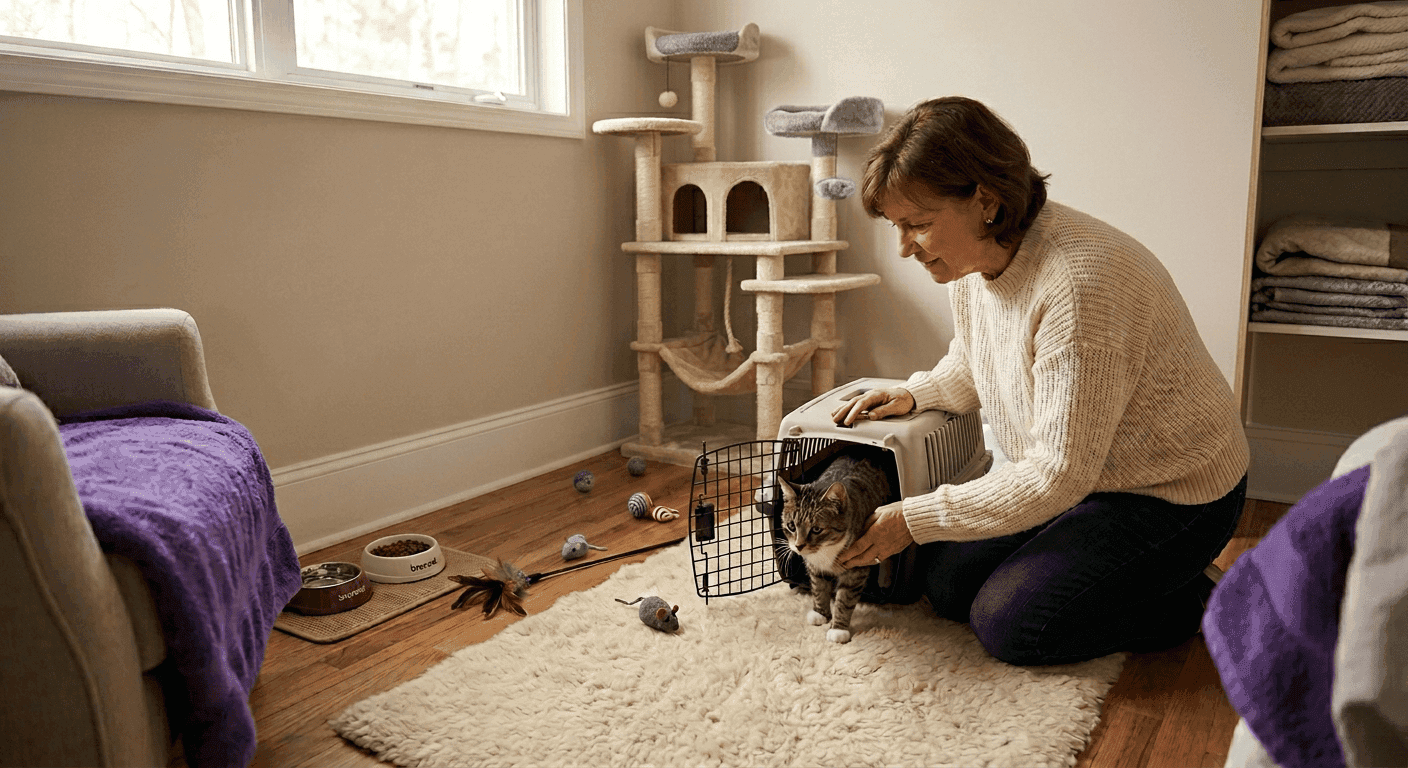
Becoming a cat foster family is an exceptionally rewarding and compassionate experience. By opening your home to a homeless feline or one awaiting adoption, you provide a safe haven essential to their physical and emotional well-being. However, thorough preparation right from the very first minutes is crucial to ensure a smooth transition.
(Similarly, if you are considering embarking on an adventure with dogs, learn what you need to know before becoming a dog foster carer.)
How to Succeed as a Cat Foster Family Right from Day One
1. Set Up a Dedicated, Quiet, and Fully Secured Space
Arriving in a new environment—often unfamiliar and filled with unknown scents or unusual noises—is a major source of stress for a feline. This is why preparing their living space in advance is a vital first step.
Before even opening the pet carrier, set up a closed room or a very quiet corner of your home. This dedicated space must include all the essential items for their vital needs and daily comfort:
- A litter box: Place it at a respectable distance from their food and water bowls, in an easily accessible location that offers genuine privacy.
- Food and water bowls: Provide fresh water changed daily and strictly follow the diet provided or recommended by the partner rescue organization.
- A cozy resting spot: Provide a cat bed, a soft blanket, or a comfortable cushion where they can rest in total peace.
- A scratching post: Essential for allowing them to sharpen their claws and stretch their muscles while depositing soothing pheromones.
Furthermore, overall household safety must be a constant priority throughout the foster placement. Cats in an adjustment period may sometimes attempt to escape out of panic or curiosity. Keep windows and balconies strictly secured (using suitable netting or screens) and make sure never to leave entrance doors open unattended. Finally, remove any toxic indoor plants such as lilies, ficus, or philodendrons, and keep sharp objects and small electrical cords out of reach.
Let the cat explore their safe room at their own pace. Never force them out of their carrier or hiding spot: patience remains your best ally for building a lasting relationship of trust.
2. Becoming a Successful Cat Foster Family: Understand, Observe, and Interpret Feline Behavior
During the first few days, it is completely normal to notice reserved or anxious behavior in the animal. The cat may hide under furniture, engage in territorial marking, vocalize repeatedly, or isolate themselves. All of these are common reactions while adapting to a new territory.
In your role as a cat foster family, you act as an attentive and benevolent observer. Take time every day to note:
- Appetite and hydration: A cat that refuses to eat or drink for more than 24 to 48 hours requires a prompt alert to the rescue organization.
- Litter box habits: Check that they are using the litter box correctly and showing no signs of digestive issues (diarrhea or constipation).
- Social interactions: Observe how they react to your presence, gestures, and voice, as well as to other family members or resident pets.
All these valuable field observations directly assist the rescue team in gaining a better understanding of the animal's personality, fears, affinities, and specific needs. This detailed insight is crucial for writing an accurate adoption profile and finding the ideal forever home for the rest of their life.
3. Care, Daily Routine, and Rigorous Monitoring
To safeguard the feline's health, strict adherence to the veterinary protocol established by the partner rescue is imperative. Each organization has its own procedures and dedicated veterinary partnerships:
- Set up the litter box in a completely quiet, stable, and easily accessible location.
- Offer reassuring hiding spots (cardboard boxes, cat igloos) and elevated observation points so they can gain height and feel secure.
- Document their play habits, energy level, and reactions to potentially stressful situations (loud noises, unfamiliar visitors).
- Systematically inform the rescue team before making any changes to their routine, diet, or medical decisions.
Pawer: The Ideal App to Streamline Cat Care Tracking
To simplify daily management and prevent losing crucial details, using tailored digital solutions makes a world of difference. When the rescue relies on Pawer, managing the cat's care becomes clearer and far more efficient.
The app allows you to centralize all crucial feline data onto a single, accessible interface:
- The complete medical history and identity profile of the cat.
- Automatic reminders for veterinary appointments, vaccinations, or antiparasitic treatments.
- Your daily observation notes regarding their behavior, weight, or diet.
Thanks to this centralization, you save valuable time every day and gain peace of mind. Meanwhile, the rescue team benefits from real-time visibility into their boarder's progress and can react swiftly whenever a need or veterinary question arises.
Ready to take the leap and offer a temporary home to an animal in need? Fill out our foster application today and join the adventure!