Adopting a dog: 4 essential tips for a successful transition home
3 min read
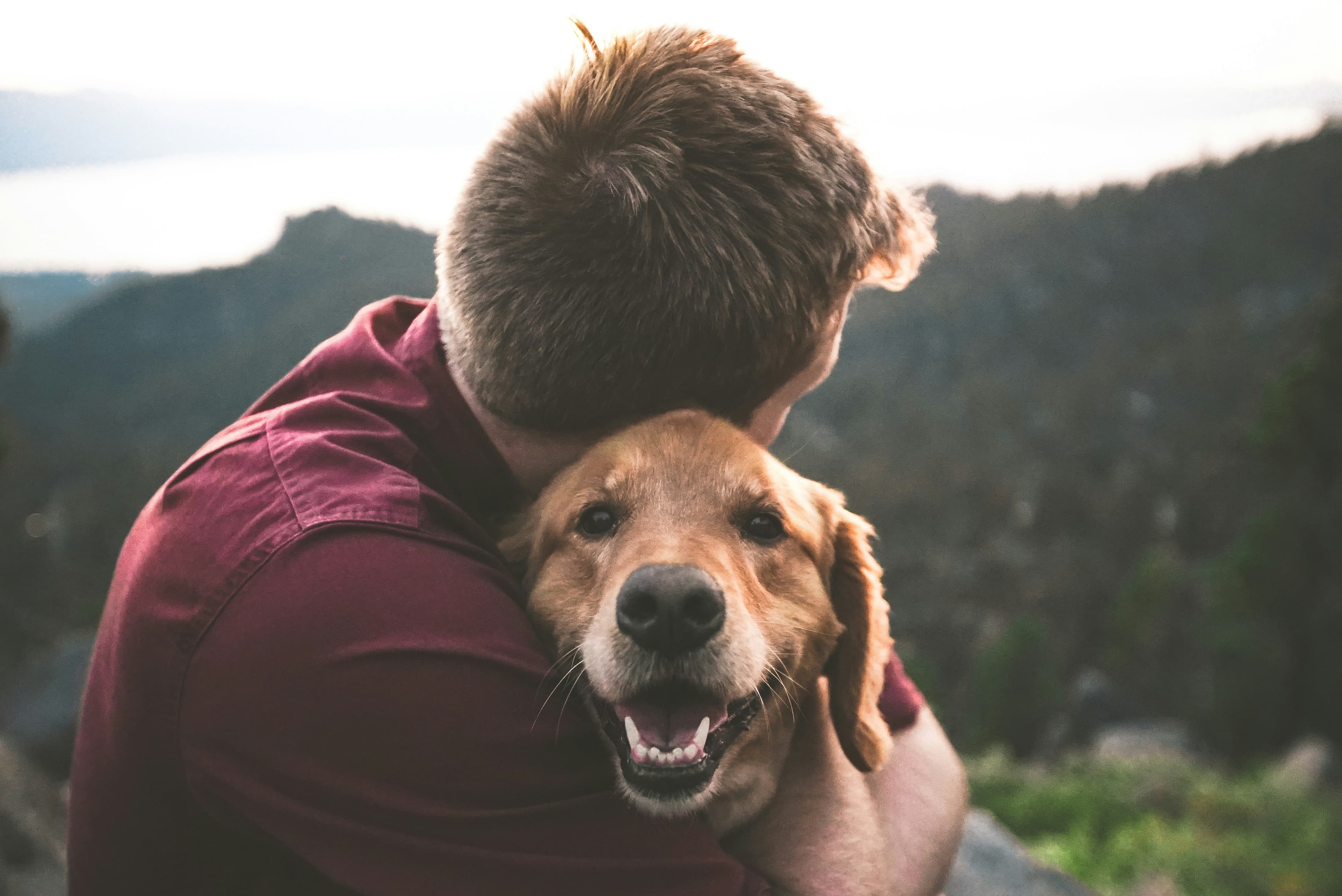
Opening your heart and your door to a rescue dog is a wonderful adventure. It marks the start of a brand-new life for them, and a major change for you! Yet, despite all the love you are ready to give, the first few days can feel overwhelming. Between the excitement, the stress of change, and the fear of making mistakes, it is completely normal to have a thousand questions.
To make this transition a lasting success, here is a step-by-step guide to giving your new companion a smooth arrival.
1. The first week: creating a safe haven
The first week is crucial. For your dog, this new environment represents a step into the complete unknown: new smells, new sounds, and unfamiliar faces.
Setting up their dedicated space
Even before they arrive, set up a quiet spot just for them, away from the main household traffic (avoid busy hallways or the front entryway). Include:
- A comfortable bed with a soft blanket.
- A bowl of fresh water, accessible at all times.
- One or two enrichment toys (such as a KONG).
Expert Tip: Let the dog explore their space at their own pace. If they choose to take refuge in their bed, do not force them out. This bed must remain their sacred, inviolable "safe zone."
Adopting the right attitude in the first few days
Keep the environment calm. Avoid inviting extended family or neighbors over to meet them during the first 48 hours. Give them time, gentleness, and communicate in a soothing voice without over-stimulating them.
2. Managing stress and emotions
A rescue dog carries their past, their fears, and sometimes trauma. Depending on their background—whether coming straight from a shelter or after spending time in a foster home—their anxiety level during an environment change can vary. It is quite common for them to show signs of stress during this acclimatization phase (panting, restlessness, loss of appetite, crying at night).
How to help them settle
- The 3-3-3 Rule: Keep in mind that a dog often needs 3 days to decompress from initial stress, 3 weeks to integrate into your household routine, and 3 months to feel fully at home and reveal their true personality.
- Provide Chewing & Licking Activities: Gnawing or licking releases endorphins (the happiness hormones) and naturally lowers stress levels.
- Turn to Natural Solutions: Calming pheromone diffusers (such as Adaptil) or soft music designed for pets can greatly help soothe restless nights.
3. Common mistakes to avoid
Out of a desire to do well or through sheer enthusiasm, certain human reflexes can inadvertently complicate the dog's adjustment.
- Immediate Over-Affection: Constantly smothering, carrying, or cuddling the dog can overwhelm them or create hyper-dependency (which can lead to separation anxiety).
- Trying to Teach Everything on Day One: Training can wait a bit. Prioritize building trust and creating a bond before attempting to teach "sit" or "shake hands."
- Overstimulating the Dog: No need to plan long walks downtown or trips to the dog park during the first weekend. Stick to short, quiet potty walks in low-stress areas.
4. The crucial importance of routine
Dogs thrive on predictability—it reassures them. Establishing a clear, structured framework from the start is the best way to ease their mind.
Structuring daily life
To build a reassuring routine, try to set consistent daily anchors:
- Regular Meal Times: Feed them at fixed times to make food a secure, predictable constant.
- A Fixed Walking Schedule: Schedule walks at the same times each day to facilitate house-training.
- Protected Sleep Time: An adult dog needs between 12 and 14 hours of sleep per day (and up to 18 hours for a puppy or senior dog). Respect their sleep!
Why a successful transition matters when adopting a dog
Successfully integrating an adopted dog takes time, consistency, and plenty of patience. By providing a safe environment and respecting their individual pace of adaptation, you will lay the foundation for a deep, harmonious bond for years to come.