The ultimate guide to animal rescue management: streamline your care with Pawer
3 min read
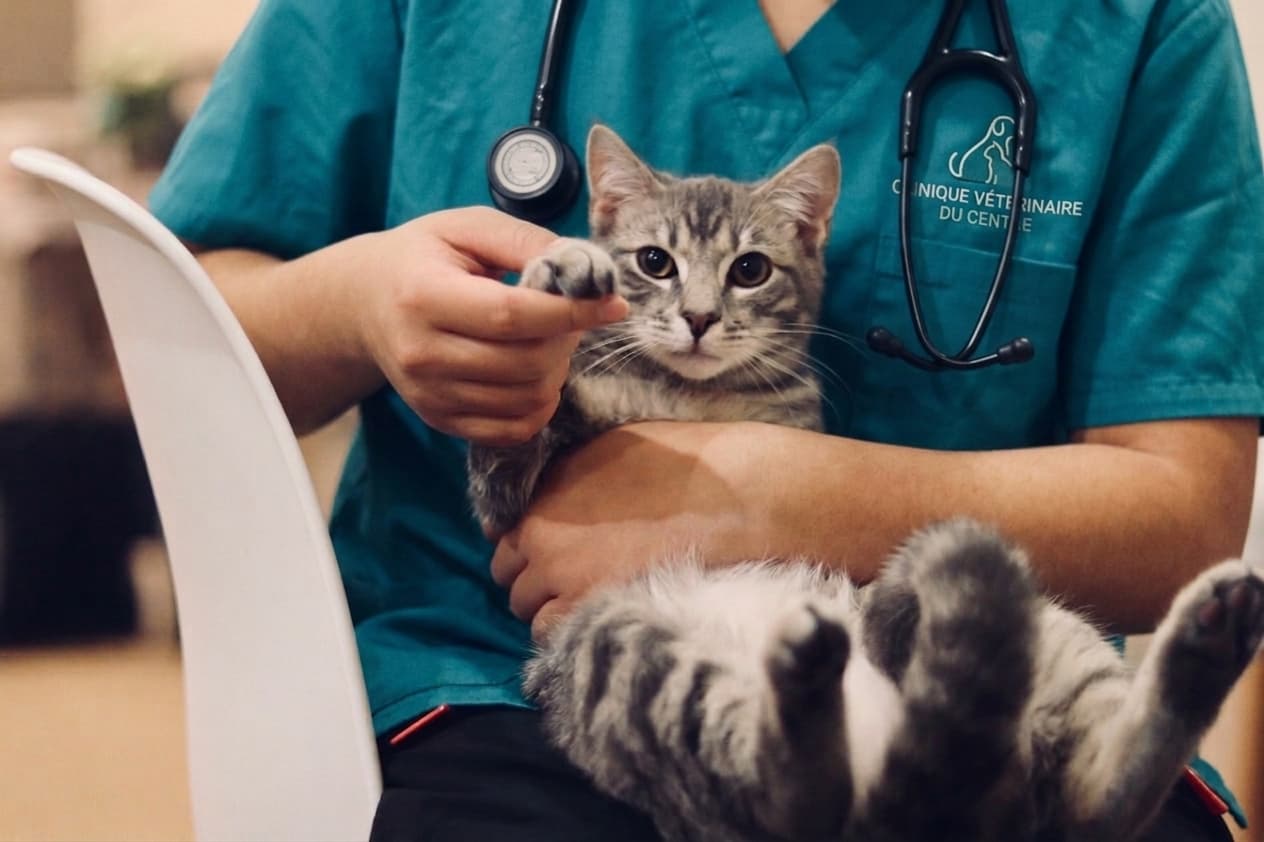
Managing the medical care of dozens of animals spread across multiple foster homes is a daily headache. From missed vaccination boosters and lost health records to delayed spay/neuter appointments, the daily routine of an animal rescue often feels like a race against the clock.
What if rigorous organization—backed by the right tools—could free up your time for what truly matters: saving lives?
Discover best practices to centralize veterinary care, streamline communication with your foster families, and never miss a medical deadline again.
1. Why does veterinary tracking become such a headache for rescues?
The primary challenge for a foster-based rescue lies in scattered information. A kitten’s health record might sit at the president's house, while a dog’s history is scribbled on a scrap of paper.
Say goodbye to lost health records
To ensure the health and safety of the animals under your care, every animal needs a single, digital medical file accessible at any time. Losing a physical record during a foster transfer can lead to duplicate treatments (such as double deworming) or, worse, delayed care.
Digitalization for volunteers
Switching to digital medical records allows you to centralize:
- Microchip / ID numbers.
- Complete history of medical conditions and ongoing treatments.
- Lab results and surgical reports.
- Contact details of the assigned foster family.
2. Automating vaccination and parasite control reminders
Medical protocols often fall through the cracks due to volunteer mental overload. Between organizing adoptions and managing emergency rescues, it is easy to let a vaccination booster date slip by.
The impact of delays on the community
A missed vaccine or parasite treatment exposes the entire foster home—and potentially the rescue center—to risks of contagious diseases (parvovirus, ringworm, upper respiratory infections/coryza).
Setting up automated alerts
Instead of managing a massive Excel spreadsheet updated manually once a week, automate your reminders!
A connected shared calendar allows you to send automatic notifications:
- 7 days before the vaccination booster deadline.
- On the day for administering dewormers or flea/tick treatments.
- After each treatment to confirm that the protocol was successfully completed by the foster parent.
3. Planning and securing the spay/neuter journey
Spaying and neutering is a core pillar of animal welfare. Yet, coordinating surgery appointments for entire litters can feel like an obstacle course.
Aligning schedules between fosters and partner vets
To avoid last-minute cancellations at partner veterinary clinics, establish a quick confirmation loop. Every appointment should require a dual agreement between the rescue coordinator and the foster parent caring for the animal.
Post-operative care
Care doesn't end when the animal leaves the clinic. It is crucial to log post-op instructions (suture removal, wound care, pain management) directly onto the animal's profile so the foster parent can check off each completed step.
4. Improving foster family communication via animal rescue management
Successful medical tracking in an animal rescue relies on clear communication. Messages scattered across Messenger, WhatsApp, or SMS inevitably lead to lost critical information.
Best practices for smooth communication
- Centralize channels: Use a single platform where every team member and foster parent can find the full history of discussions related to an animal.
- Empower without overwhelming: Give foster parents access only to the profiles of the animals they are hosting. They should be able to upload photos or report symptoms with a single click.
- Document protocols: Provide a clear resource library (what to do in case of a fever, emergency contact numbers, approved partner clinics).
In summary: a structured organization to save more animals
Optimizing medical tracking within a rescue brings immediate benefits:
- Precious time saved for the management team.
- Reduced mental load for volunteers and foster families.
- Financial savings by avoiding duplicated or unnecessary veterinary procedures.
- Enhanced health and safety for all animals in your care.
Take back control of your rescue’s veterinary tracking!
Tired of unreadable spreadsheets and endless back-and-forth text messages? Simplify your life today!
Discover Pawer, the solution designed to centralize medical tracking for your rescue animals, automate care reminders, and stay seamlessly connected with your foster network.
👉 Try Pawer’s Free plan at pawer.fr and give your organization the tools to act more effectively!