Adopting a cat: the complete guide to responsible adoption
3 min read
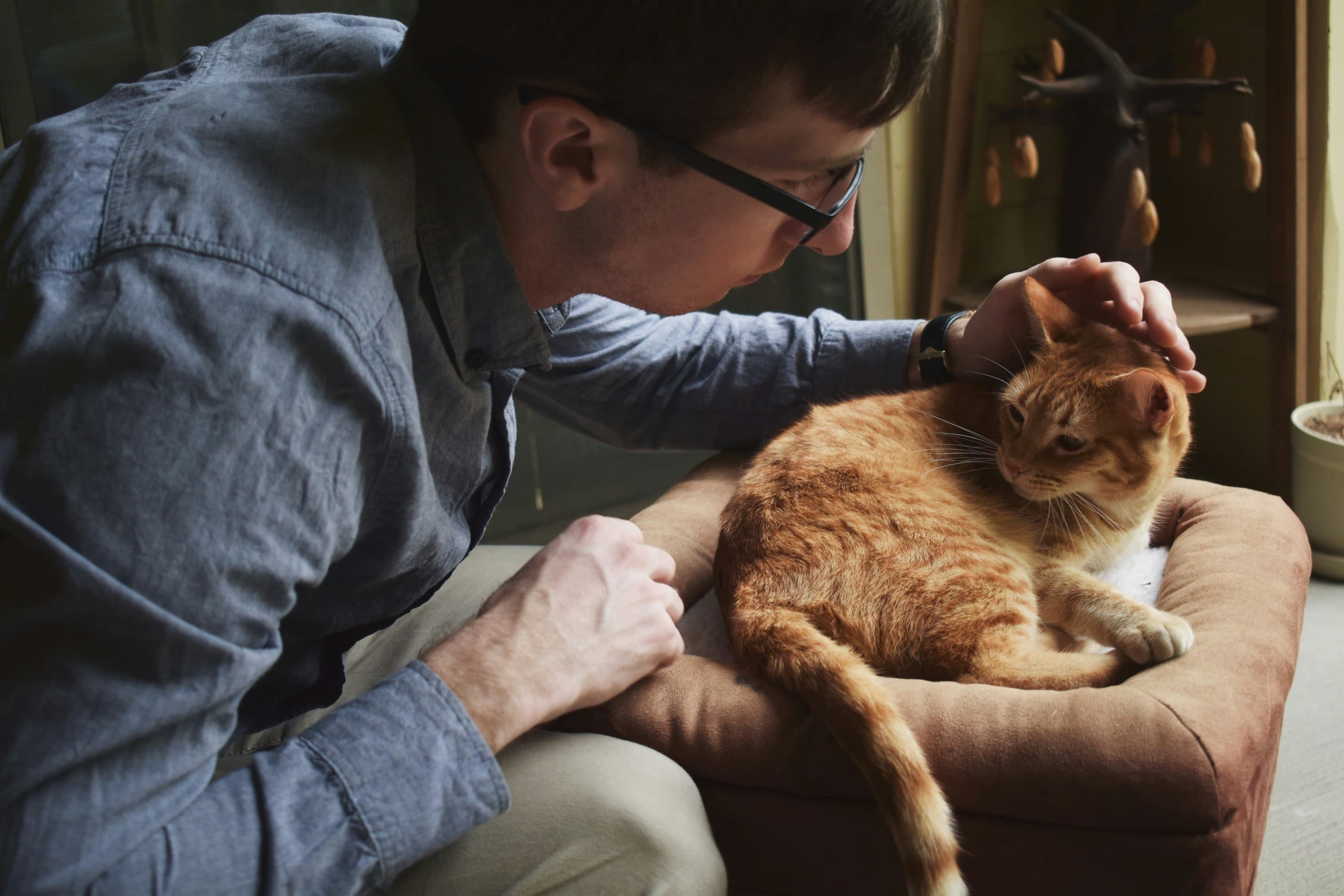
Adopting a cat is a wonderful adventure that brings immense joy, purrs, and companionship to everyday life. However, welcoming a new feline companion is not a decision to be taken lightly. It represents a 15 to 20-year commitment.
To ensure this journey is a success for both you and your future feline, proper preparation is essential. How can you succeed in adopting a cat? What is the real budget to anticipate, and what steps should you prepare for? Discover our complete guide to responsible and peaceful adoption.
1. Essential questions to ask yourself before adopting a cat
Before falling for a fluffy rescue in a shelter or foster home, take time to evaluate your lifestyle and expectations.
Is your lifestyle suited for a feline?
Even though cats are more independent than dogs, they need daily interaction, play, and affection.
- Are you frequently away for work or leisure?
- What plans do you have for holidays or unexpected trips?
- Is everyone in your household fully on board with the adoption project?
- Are there any known pet hair allergies among your close family or housemates?
What cat profile suits you best?
A kitten requires a lot of patience, training, and constant presence. An adult cat, on the other hand, already displays its personality (calm, playful, affectionate, or independent), making it easy to choose a companion tailored to your lifestyle.
2. What Is the real cost of adopting and caring for a cat?
One of the pillars of responsible adoption is the financial capacity to care for the animal throughout its life. Beyond initial adoption fees, several expense items must be planned for.
Initial Adoption & Equipment Costs
When adopting from a shelter or rescue organization, an adoption fee (typically between €150 and €250) is requested. This generally covers:
- Mandatory identification (microchip or tattoo)
- Vaccinations (typhus, coryza, and sometimes feline leukemia)
- Spaying or neutering
- Parasite treatment (fleas and worms)
In addition, purchasing basic equipment (litter box, cat tree, carrier box, food & water bowls, toys) requires an initial budget of around €100 to €200.
Monthly Recurring Budget
On a daily basis, a cat generates fixed expenses:
- Food: Quality kibble and wet food (allow between €30 and €60 / month depending on quality).
- Litter: Approximately €10 to €20 per month.
Veterinary Costs and Unexpected Expenses
Planning for your cat's health is crucial:
- Routine Annual Care: Vaccine boosters and regular flea/worming treatments (around €100 to €150 / year).
- Unexpected Expenses: Illness, accidents, or age-related medical care. These costs can quickly rise to several hundred euros.
Pawer Tip: Anticipate medical emergencies right from adoption. Setting aside dedicated savings or taking out pet health insurance allows you to absorb financial shocks during veterinary emergencies.
3. Time and attention: how many hours should you dedicate to your cat?
The common misconception that cats "live their own lives" without needing anyone is false. A stimulated and cherished cat is a happy and balanced feline.
Playtime and Mental Stimulation
A cat needs to burn energy, especially if living exclusively indoors. Dedicate at least 20 to 30 minutes of active play per day (feather wands, balls, play tracks). This prevents boredom, stress, and weight gain.
Daily Care and Hygiene
On a daily basis, set aside time for:
- Cleaning the litter box every day (and completely changing it regularly).
- Refreshing fresh water and food.
- Grooming (essential for removing dead hair, especially for long-haired cats).
- Cuddles and peaceful bonding time by your side.
4. Home preparation: securing and organizing the space
To help your cat feel safe upon arrival, your home should be arranged taking into account their territorial needs.
Organizing the Cat's 4 Living Zones
Cats structure their territory into distinct areas that should not be mixed:
- Feeding Zone: In a quiet spot, away from the litter box.
- Elimination Zone: The litter box should be placed in a quiet, accessible area away from heavy foot traffic.
- Resting Zone: Beds, cushions, or elevated shelves where they can sleep peacefully.
- Play and Observation Zone: Near windows or on a cat tree.
Securing Your Interior
Cats are curious climbers. Before arrival, make sure to:
- Secure windows and balconies: Install safety netting or window guards to prevent dangerous falls ("high-rise syndrome" in cats is very common).
- Remove toxic plants: Many common houseplants (lilies, ficus, monstera, poinsettia) are highly poisonous to felines.
- Hide electrical cords and store away small items that could be swallowed.
In summary: ready to take the step?
Adopting a cat is a rewarding act of love that transforms your daily life. Ask yourself the right questions, prepare your budget, and secure your home. You will give your future companion a long, happy, and fulfilling life by your side.
Ready to meet your future companion?