How to Manage an Animal Adoption Return in an Organization?
6 min read
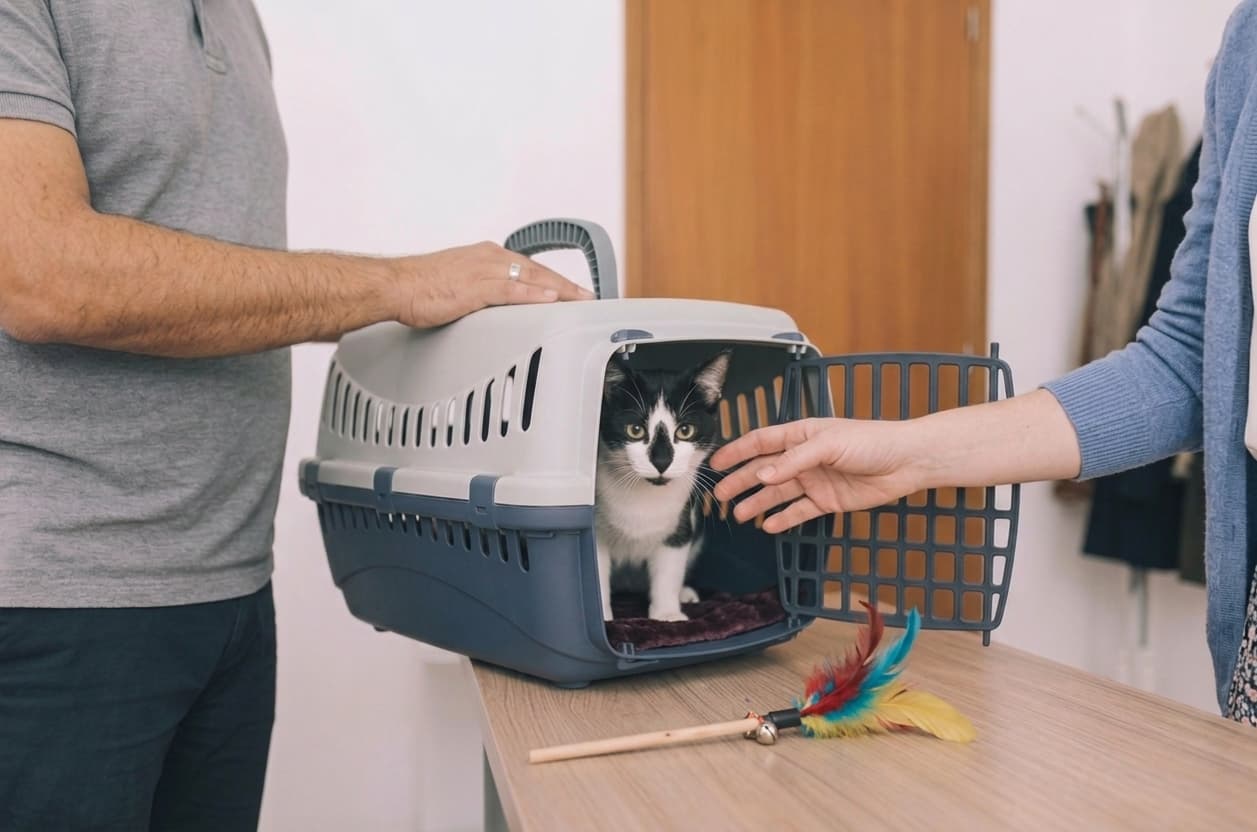
Adopting a pet is a major milestone, but not all adoptions go as planned. After a few days or several weeks, an adopter may run into difficulties and ask the organization to take the pet back.
For volunteers, this situation is often hard to handle. You need to act quickly while taking the time to understand what happened. However, an placement return should not automatically be viewed as a failure. It can highlight adaptation issues, incompatibilities, or information that hadn't been identified prior to placement.
For an animal rescue or protection organization, the challenge is twofold: safely securing the animal's return and understanding the reasons behind the breakdown to improve the rest of its journey.
Why Analyze an Animal's Adoption Return?
When a resident is returned after adoption, the immediate priority is naturally to find a solution for them. But once the urgency has passed, it is crucial to take the time to analyze the situation.
Adoption returns can stem from very different causes. Therefore, two pets returned by their adopters will not necessarily require the same care or approach.
Analyzing the situation helps identify:
- What actually happened;
- How long the difficulties had been present;
- The circumstances in which they appeared;
- Whether they relate to the pet, their environment, or the relationship with the adopter;
- Whether certain behaviors or traits had already been observed before the placement;
- What data could be useful for a future placement.
This analysis prevents reducing the situation to a simple "failed adoption." Every unsuccessful placement can yield valuable lessons about the needs and profile of the pet.
Identify the Cause Before Deciding on the Next Steps
Before immediately looking for a new adopter, it is helpful to understand why the adoption did not work out.
1. An Adaptation Issue
Some pets need time to find their bearings in a new environment. A change of location, daily routine, or people can trigger unusual reactions.
It is important to distinguish between a temporary difficulty and a situation that truly requires a new direction.
The organization can ask the adopter to describe the first few weeks in detail: the pet's behavior, eating habits, interactions with humans or other pets, observed changes, and challenges faced.
2. Incompatibility Between the pet and Its Environment
An adoption can also fail because the living environment ultimately does not match the newcomer’s needs.
The presence of other pets, young children, a specific type of housing, or the household's daily schedule can all influence integration success.
Taking the pet back should help better identify the type of environment in which they will be able to thrive peacefully.
3. A Behavioral or Medical Issue
Certain behaviors or health problems may surface after joining a home or may be harder to observe in a rescue setting.
The organization should gather all available details and, when necessary, refer the case to qualified professionals. Volunteers should avoid attempting to diagnose medical or behavioral conditions themselves.
4. Surrender for Convenience
Finally, an adopter may wish to return the pet simply because the reality of the commitment does not meet their expectations.
Even in this situation, judging or blaming the adopter does not help retrieve the pet efficiently. The immediate objective remains rescuing the pet under good conditions and collecting enough information to understand what led to the return.
How to Concretely Manage the Return After a Placement?
A simple procedure ensures that essential information is not overlooked, even when the situation is emotionally challenging.
1. Quickly Organize the Return
The first step is to determine how and when the animal can be retrieved.
The organization must also check if a temporary solution is available. This might involve returning to their previous foster family, being placed with a new foster home, or any other solution adapted to the structure's resources.
The priority is to guarantee safe care and housing immediately.
2. Gather Details from the Adopter
Once the return is arranged, take the time to ask specific questions.
Rather than simply asking, "Why do you want to return them?", it is more effective to ask them to describe the facts:
- When did the first difficulties appear?
- What happened exactly?
- Under what circumstances?
- How did the pet react?
- How did the household members react?
- Were the difficulties constant or occasional?
- Were any changes observed over time?
- Were any solutions attempted?
The goal is not to find someone to blame, but to collect actionable details for the animal's future.
3. Evaluate the Animal’s Situation
After returning, the pet should be placed in a suitable, stable environment to allow the organization to observe their state.
The information reported by the adopter can be cross-referenced with what was known before the placement. This step often helps spot a shift in behavior, gain clearer insight, or identify a difficulty specific to the previous environment.
4. Organize Their New Care Plan
Once the situation is understood, the organization must determine the best pathway forward.
If the pet goes back to a foster family, it is crucial to pass along all observation notes to the caregiver. The quality of this handoff can make all the difference. The foster family must be aware of the animal's history, the difficulties encountered during the previous stay, and key points to monitor.
To prevent this data from getting lost across multiple channels or contacts, rescue groups benefit greatly from establishing a structured communication process with their foster homes. Good communication makes it easier to share observations, pet needs, and essential updates throughout their care. To dive deeper, check out our advice on communicating effectively with foster families.
This handover is critical when an organization relies on multiple foster homes and volunteers.
5. Review and Debrief
The process shouldn't end once the pet finds a temporary or permanent solution.
Take a few minutes to note down takeaways for the next adoption:
- Preferred environment profile;
- Situations to avoid;
- Identified special needs;
- Essential details to share with the next adopter;
- Aspects that could have been better anticipated.
This step turns a difficult experience into a valuable learning opportunity for future placements.
On an organizational level, this data helps track adoption trends over time. Monitoring a few relevant metrics can help rescuers understand recurring issues and pinpoint areas for improvement. To learn more about this topic, read our article on key indicators to track for animal welfare organizations.
What to Do with the Information Collected After a Return?
One of the biggest challenges for animal rescues is keeping all these notes in one accessible place.
A detail shared over the phone might remain only in a volunteer's memory. Another piece of information might be buried in a group chat or an old email thread with a foster parent. Weeks later, piecing together the animal’s exact journey becomes difficult.
A centralized history provides a comprehensive view of their path.
In Pawer, details about the pet including key milestones, foster history, and adoption records—can be centralized in one place. This streamlines communication among team members and makes it much easier to retrieve useful records when planning new placements.
The goal isn't to accumulate endless data, but to ensure the right information is accessible to the people who need it.
How to Reduce the Risk of an Animal Adoption Return in an Organization?
A failed placement doesn't necessarily mean the organization prepared the adoption poorly. However, multiple similar returns may point to an area needing refinement in the process.
After encountering several returns, it can be helpful to ask:
- Were the pet's needs sufficiently documented?
- Was key information clearly communicated to the adopter?
- Did the adopter's profile genuinely match the animal's needs?
- Were the encountered difficulties already known beforehand?
- Did the foster family share all of their observations?
- Do pre-adoption screening questions effectively measure compatibility?
- Are certain causes of returns recurring frequently?
Analyzing these points can guide the organization toward improving placement protocols and file transfers.
Tracking placement failures over time can also help highlight trends. The objective isn't to create statistics for the sake of it, but to gather data that supports better decision-making.
Key Takeaways
Properly managing an animal adoption return in an organization requires reactivity, active listening, and a structured method.
Key steps to remember:
- Safely secure the animal's return quickly.
- Understand the root causes without making the adopter feel guilty.
- Gather objective facts and actionable details.
- Share these insights with the new foster family or relevant volunteers.
- Maintain a clear history to refine future matching.
An adoption return can be a stressful event for the pet, adopter, foster family, and volunteers alike. However, when properly documented, it becomes a valuable resource for guiding the pet toward a successful, lifelong home.
Discover Pawer to centralize all information regarding animals, foster families, and adoptions.